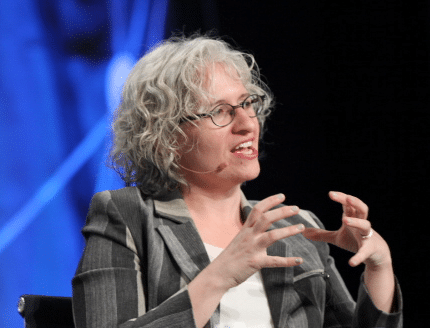
Theory and Practice in Network Mapping: Part 2 of an Interview with Glenda Eoyang
Exploring network consciousness with Glenda Eoyang of the Human Systems Dynamics Institute
Details

Exploring network consciousness with Glenda Eoyang of the Human Systems Dynamics Institute
Details“. . . a network map captures and represents those three fundamental characteristics (or CDE) that we think define the nature of all self-organizing systems. CDE means Container, Differences and Exchanges.” ~ Glenda Eoyang
DetailsA map without conversations is nothing and conversations without some form of mapping are much more fragmented.
Details. . . one of the [important] pieces… is to get that sense of ‘we’re not in this alone,’ that ‘we have more connections than we know.’
DetailsStorytelling is very important to inspire participation. However, it is especially the boundary spanning across communities – stories that capture the essence of an activity or an interaction in a community. ~ Aldo de Moor
Details“Maps have power. They always have throughout human history. Maps have been very powerful artifacts” – Aldo de Moor
DetailsWhat Participatory Community Network Mapping Makes Possible. Part 2 of an interview with CommunitySense Founder Aldo de Moor.
DetailsParticipatory Community Mapping as Collective Sensemaking. Part 1 of an interview with CommunitySense Founder Aldo de Moor.
DetailsExcerpt: A Leadership Story – Network Style – Part 2
DetailsNot Getting The Response You Hoped For Yet? Automated bulk email invitations from sumApp work fine in most instances, especially if people know they’re coming & what they’re for. But what if it’s not working? What if important members are buried in email and ignoring your requests? Or maybe you have a sub-set of members…
Details